


Back to Blog
Staffing a Medspa Franchise: Hiring Licensed Aestheticians, Nurse Practitioners, and Wellness Consultants
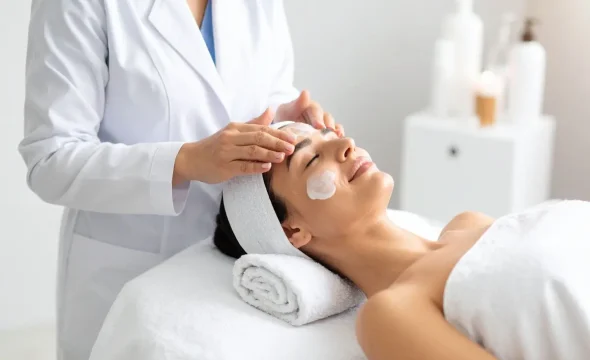
The clinical and operational team behind a medspa shapes both patient outcomes and business performance. From the nurse practitioner who oversees clinical decisions to the front-desk staff who set the tone for every patient visit, the people running the medspa determine how well the operation actually executes. For franchisees evaluating medspa franchise opportunities, understanding the staffing model and what it takes to hire well is among the most important pre-opening responsibilities.
The Medspa Staffing Model And Why It Matters
The Composition Of A Typical Medspa Team
The staffing model in a medspa differs from both traditional healthcare practices and retail service businesses. It combines clinical roles with sales and service roles. A typical medspa team includes six to ten people at opening, with team size growing as patient volume increases. The composition usually balances clinical staff with patient-facing roles, with each function structured to support both safety and patient experience. The medspa team is the foundation of the operation, and team quality is often what separates strong centers from weaker ones in the same market. Patient retention is the strongest predictor of long-term medspa performance, and staff quality drives retention more than any single marketing investment. Patients return to medspas where they feel known, cared for, and treated by skilled clinicians. Conversely, poor staff quality produces churn that no marketing budget can fully offset. Medspa staffing decisions deserve the same care as real estate selection or equipment purchasing.
How Franchise Brands Support Hiring
Strong franchise brands provide job descriptions, interview frameworks, compensation benchmarks, and onboarding templates. Some offer access to recruiting platforms or training partnerships that help franchisees identify qualified candidates faster than independent recruitment can. Franchisee-to-franchisee networks within established systems often share talent and best practices, further accelerating hiring quality.
Hiring The Clinical Lead
Nurse Practitioners And Their Role
The nurse practitioner medspa role typically involves patient evaluation, treatment plan design, injectable services, and ongoing oversight of clinical protocols. Nurse practitioners in aesthetics often work as the lead Botox injector at the center, performing the highest volume of injectable services and managing the most complex cases. Compensation typically ranges from $130,000 to $175,000, with bonuses tied to revenue or production milestones.
Physician Assistants As Clinical Leads
Some medspas employ physician assistants instead of or alongside nurse practitioners. The clinical scope is similar in most states, and the choice often comes down to availability in the local talent market. The American Association of Nurse Practitioners publishes state-by-state scope-of-practice guidance that influences hiring decisions for both roles.
Medical Director Relationships
The medical director is typically a licensed physician who provides oversight rather than direct treatment delivery. The medical director reviews protocols, signs off on prescribing decisions, and ensures compliance with state regulations. Most medspas contract with a part-time medical director, with compensation typically structured as a monthly retainer plus per-encounter or per-protocol fees.
Registered Nurses On The Medspa Team
The registered nurse medspa role includes administering injectables, performing IV therapy, managing body composition assessments, providing hormone pellet placements, and handling the day-to-day clinical workload. Strong RNs build deep patient relationships and often become the team members patients ask for by name. Most medspas hire RNs with 2 or more years of clinical experience, although prior medspa or aesthetic experience significantly accelerates onboarding. Continuing education in injectables and other aesthetic procedures is typically funded by the medspa as part of staff development. The American Society of Plastic Surgical Nurses offers certifications that signal expertise and commitment.
RN compensation typically ranges from $75,000 to $100,000 annually, depending on the market and experience. Scheduling matters as much as compensation. RNs tend to value predictable hours, and medspas that build sustainable scheduling patterns retain staff longer than those that demand frequent overtime or last-minute coverage.
Licensed Aestheticians And Skin Care Specialists
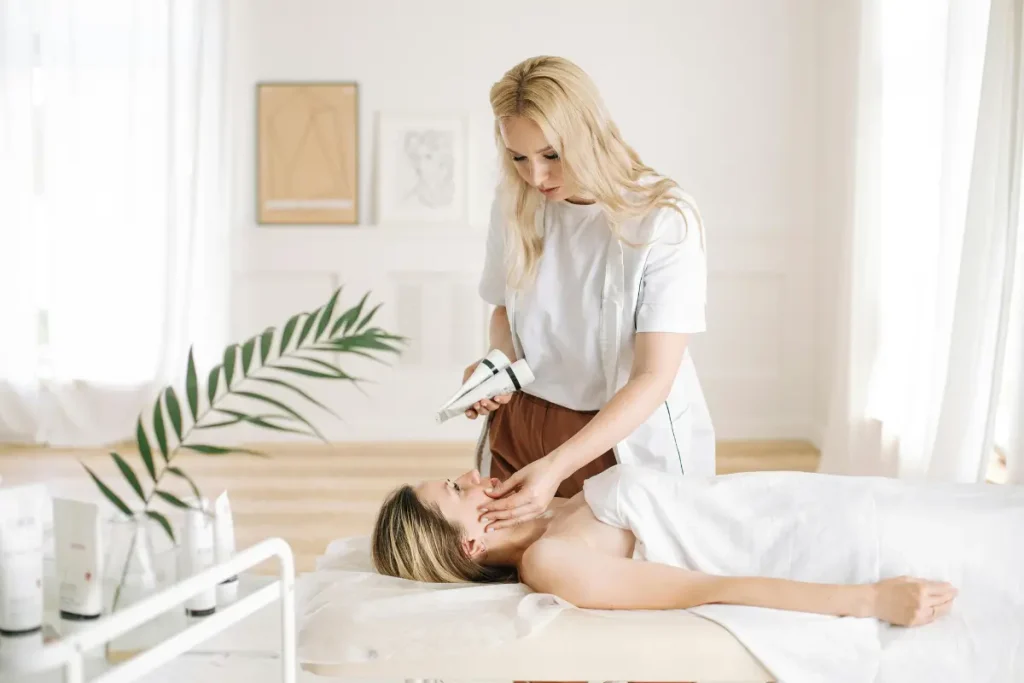
Aestheticians are often the most visible team members to patients, performing the high-frequency skin services that bring members back repeatedly throughout the year.
Core Responsibilities Of The Aesthetician
The licensed aesthetician anchors the skin services category inside the medspa. Skin services drive new-patient acquisition, retention, and cross-selling into higher-ticket treatments. The core responsibilities below define the role’s daily scope and shape how aestheticians contribute to clinical outcomes, patient experience, and overall medspa revenue performance:
- Facials: Customized facials address hydration, exfoliation, and pore congestion through cleansing, masks, and extractions. Extractions and product layering require advanced skin analysis skills, and consistent facial protocols build patient loyalty across recurring monthly visits and seasonal skincare cycles.
- Microneedling. Microneedling treatments use fine needles to stimulate collagen production and improve texture, scarring, and tone. Tone improvements develop across 3 to 6 sessions, and aestheticians manage device settings and post-treatment protocols that protect both safety and outcomes.
- Peels. Chemical peels deliver targeted exfoliation through glycolic, salicylic, lactic, and TCA formulations. TCA strength selection depends on skin type, tolerance, and treatment goals, and aestheticians match peel depth to patient concerns, including hyperpigmentation, acne, and early signs of photoaging.
- Dermaplaning. Dermaplaning removes vellus hair and dead skin cells through controlled blade exfoliation across the face. Face-level technique requires precise control of pressure and angle, and the treatment is often paired with peels or hydrating masks to enhance brightness and product absorption.
- Other Skin Treatments: Aestheticians also perform hydrafacials, LED light therapy, dermaplaning combinations, and brand-specific resurfacing protocols. Brand-specific protocols expand the service menu, support membership programs, and create entry points for new patients who later convert into injectables, body contouring, and wellness programs.
Many aestheticians also drive retail sales of skincare products, which contribute meaningfully to per-visit revenue. The medical aesthetician role often includes more advanced procedures than a standard aesthetician, depending on the specific state and training credentials.
State Licensing Requirements
Licensing requirements vary significantly between states, with some states requiring 600 hours of training and others requiring 1,200 or more. Some states have separate medical aesthetician designations with expanded scope. The state cosmetology board in each jurisdiction publishes specific requirements that franchisees should review when planning hiring.
Training In Brand-Specific Protocols
Beyond state licensing, brand-specific protocols matter. Strong franchise brands provide structured training that covers consultation techniques, treatment protocols, and product knowledge. Aestheticians who complete brand-specific training deliver more consistent results and convert higher percentages of consultations into ongoing service relationships.
Wellness Consultants And Patient Coordinators
The wellness consultant role is one of the most undervalued positions in the medspa, yet it consistently ranks among the strongest predictors of revenue performance. The wellness consultant is typically the team member who walks patients through service options, builds personalized treatment plans, and converts first-time visitors into members. The role blends clinical knowledge with relationship skills and serves as the bridge between marketing and service delivery.
The strongest consultants build trust quickly and present recommendations as personalized plans rather than menu items. Patients respond to genuine guidance and tend to return to the consultant who first guided them.
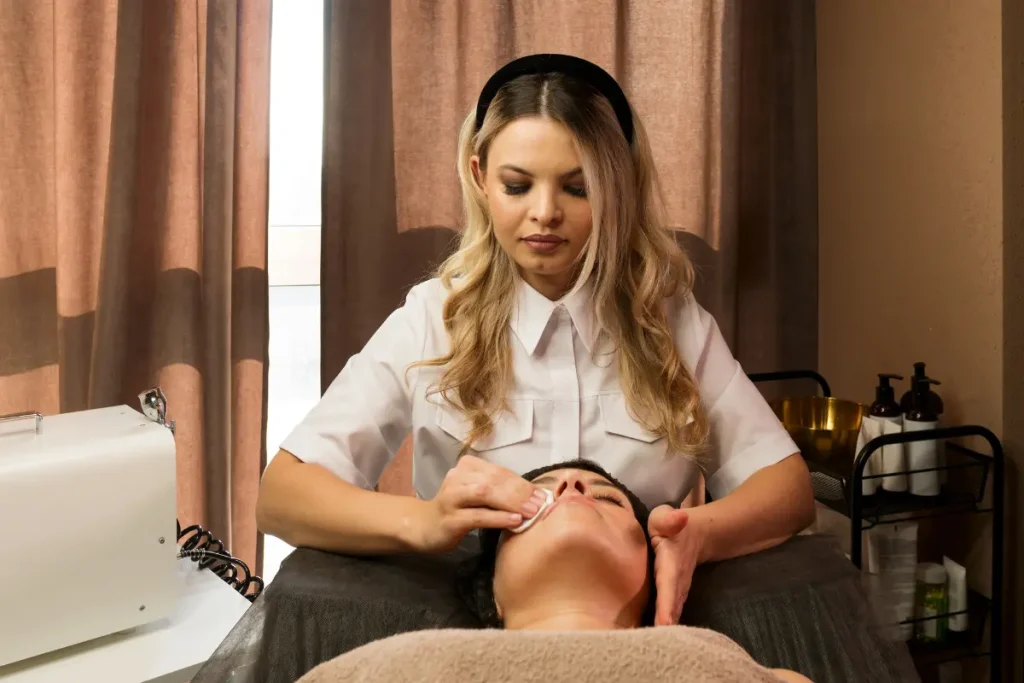
Background experience varies widely. Some consultants come from clinical roles, others from retail sales, hospitality, and spa management. The common thread among top performers is a genuine interest in patient outcomes combined with strong communication skills. Compensation typically ranges from $55,000 to $85,000 in base salary, with bonuses tied to conversion and retention metrics.
Front Desk And Operations Support
Front desk and operations staff hold the practice together day to day, and their work shapes the patient experience from the first phone call onward:
- Patient Experience At The Front Desk: The front desk is the first impression and the last impression of every visit. Patients judge the medspa by how they are greeted, how questions are answered, and how check-out is handled. Strong front desk staff are warm and operationally sharp, able to manage scheduling complexity and multiple priorities simultaneously.
- Operations and Inventory Management: Inventory management for injectables like Botox and juvéderm, skincare retail lines, and clinical supplies requires daily attention. Strong operations staff track usage, manage reorder points, and prevent both stockouts and excessive carrying costs. The role often includes coordination with the brand’s central purchasing systems.
- Scheduling and Membership Coordination: Effective scheduling balances clinical capacity, patient preferences, and revenue optimization. Membership coordination includes billing, renewals, and patient communication. Practice management software does much of the heavy lifting, but human attention is what makes the system work in practice.
Building A High-Performing Medspa Team
Recruiting And Interview Best Practices
Hiring and retaining a strong team requires deliberate practice. The best operators treat staffing as an ongoing investment rather than a one-time event. Strong recruiting begins before vacancies exist. Maintaining relationships with local nursing programs, aesthetician schools, and professional networks builds a pipeline. Interview practices should include structured behavioral questions, working interviews where appropriate, and reference checks that go beyond title verification. The Bureau of Labor Statistics wage data helps owners set competitive compensation that attracts strong candidates.
Onboarding And Initial Training
The first ninety days shape long-term retention. Structured onboarding that covers brand standards, clinical protocols, and team culture sets new hires up for success. Most franchise brands provide onboarding templates that include checklists, training schedules, and milestone evaluations. Hiring medspa staff is the first step. Onboarding well is what turns hires into long-term contributors.
Ongoing Development And Culture
Retention beyond the first year depends on culture and ongoing development. Continuing education, internal advancement opportunities, and team-building investments all support retention. Medspas with strong cultures consistently outperform those that treat staff as commodity labor, and the difference shows up in patient satisfaction scores and revenue performance over time. Steps to build a high-performing medspa team:
- Define Roles And Compensation Before Hiring Begins. Write clear job descriptions for each role, set compensation ranges based on local market data, and decide on bonus structures before posting any positions. Clarity at this stage prevents misaligned expectations later and accelerates both the hiring process and successful onboarding.
- Hire The Clinical Lead First. The nurse practitioner or physician assistant who anchors the clinical operation should be hired before any other role. This person often participates in subsequent hiring decisions and helps shape the clinical culture of the entire medspa, so getting this hire right is the highest priority during the pre-opening period.
- Build A Reference Check Process That Actually Works. Move beyond simple reference verification to structured conversations that explore how the candidate handled specific situations. Reference checks done well are among the most predictive parts of the hiring process and can prevent costly misfires that disrupt the entire team during the first six months.
- Invest In Onboarding And Continuous Training. Treat the first ninety days as critical to long-term retention, and budget for continuing education throughout the year. The strongest medspas invest meaningfully in staff development, and this investment shows up in lower turnover, stronger clinical outcomes, and better patient satisfaction across the entire patient base.
For franchisees considering medspa franchise opportunities, staffing should be treated as a primary success factor rather than an operational afterthought. Strong brands provide training and support infrastructure that helps owners build great teams faster than independent operators can typically manage.

The medspa hiring requirements are substantial across clinical, sales, and operational roles, but the businesses that invest deeply in their teams consistently produce stronger long-term performance than those that compromise on staffing quality. Owners who want to own a medspa that thrives over the long run should plan to allocate as much attention to people as to equipment or facility design throughout the life of the business.
Sources
- Bureau of Labor Statistics. (2024). Occupational employment and wage statistics: Healthcare practitioners and technical occupations. U.S. Department of Labor. BlsHealthcare Occupations
- American Association of Nurse Practitioners. (2024). State practice environment. AANP. Aanp AANP | The American Association of Nurse Practitioners
- American Society of Plastic Surgical Nurses. (2024). Certified plastic surgical nurse credentialing. ASPSN. Aspsnaspsn.org
- American Med Spa Association. (2024). 2024 medical spa state of the industry report: Workforce trends. AmSpa. Americanmedspa American Med Spa Association
- American Academy of Family Physicians. (2024). Aesthetic medicine practice resources. AAFP.
- National Coalition of Estheticians, Manufacturers/Distributors & Associations. (2024). State licensing requirements for estheticians. NCEA.
- Society of Plastic Surgical Skin Care Specialists. (2024). Aesthetician training and certification standards. SPSSCS.
Related Blogs

In anticipation of the upcoming year, our reflections often gravitate towards the goals we hope to achieve. Health and wellness, consistently prioritized, have...

As summer fades into autumn, the theme of transformation defines our surroundings. From the vibrant, sun-soaked landscape transitioning into a myriad of warm,...

In the realm of health, men have been silently battling a natural, age-related condition for decades: Andropause. Also known as male menopause, andropause has...